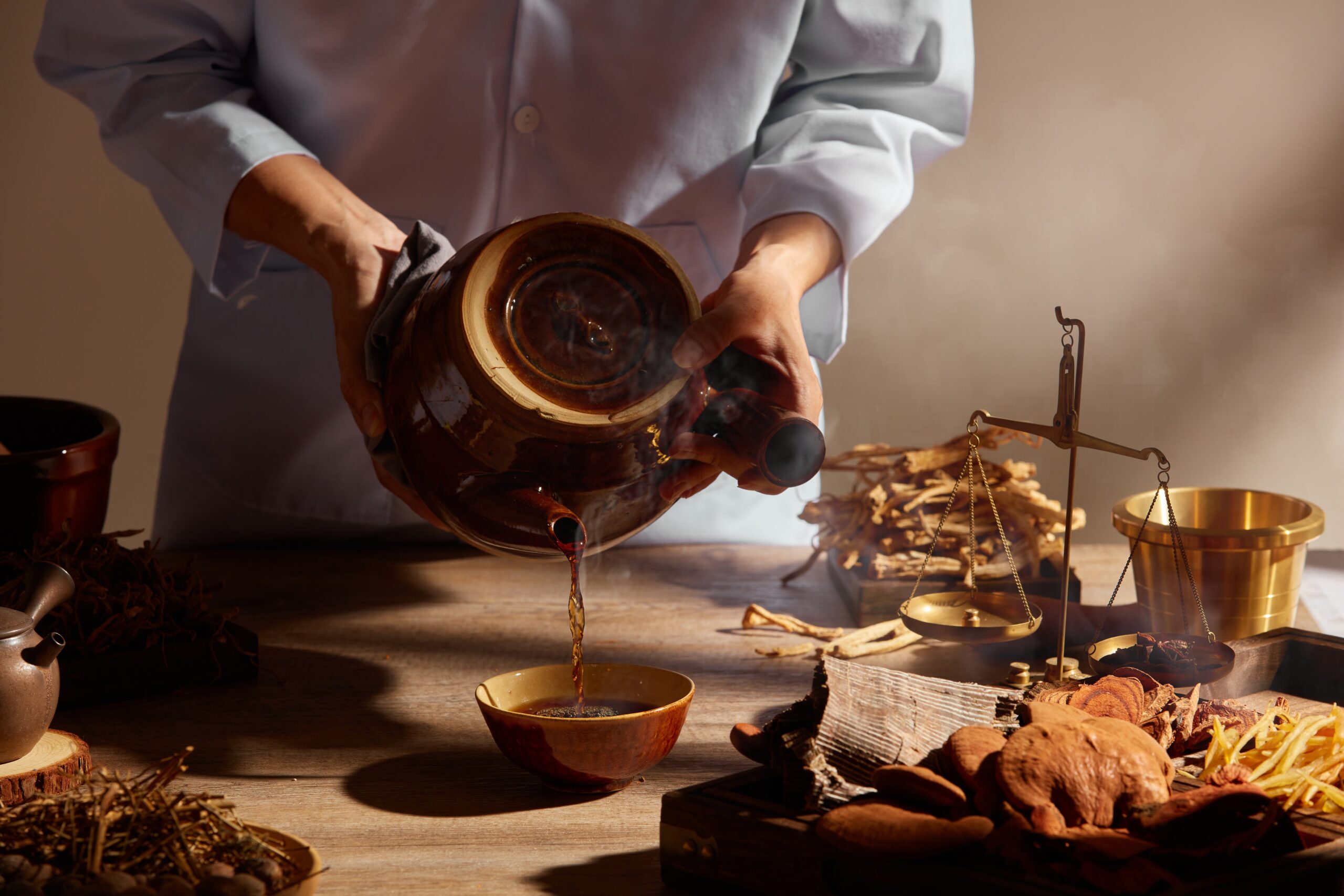
For many people new to Traditional Chinese Medicine (TCM), the diagnostic process can feel mysterious — even elegant in its simplicity. Unlike Western medicine, which often focuses on isolating symptoms and identifying singular causes, TCM views the body as a connected landscape shaped by patterns, relationships, and underlying tendencies. The goal is not only to relieve discomfort, but to understand why that discomfort appears, and how your system can return to a state of balance.
Traditional Chinese Medicine is built upon the idea that the body moves through cycles of harmony and disharmony. Symptoms are not random events; they are the body’s way of communicating imbalance. Diagnosis is the process of listening to this communication.
Practitioners look for:
Patterns of excess or deficiency
The movement (or stagnation) of Qi and Blood
The interplay between Yin and Yang
Environmental or seasonal influences
Emotional tendencies and lifestyle factors
Rather than diagnosing a condition as an isolated problem, TCM seeks to understand the broader landscape in which that condition developed.
Pulse examination is one of the oldest diagnostic tools in Chinese medicine. While a Western pulse focuses on rate and rhythm, the TCM pulse offers an intricate, layered understanding of the body’s internal state.
A practitioner assesses:
Depth (superficial or deep)
Strength (forceful or weak)
Quality (slippery, wiry, thin, choppy, etc.)
Differences across the three positions on each wrist
Each position corresponds to specific organ systems and functional relationships. Through this method, the pulse becomes a narrative of the body’s internal environment.
The tongue is considered an external map of internal health. Its colour, shape, coating, and moisture provide essential information.
Practitioners observe:
The vitality and colour of the tongue body
Thickness or absence of coating
Cracks, swelling, or scalloping
Areas that appear redder, paler, or more congested
It offers insight into heat, cold, dampness, dryness, Qi deficiency, or Blood deficiency — all key diagnostic categories in TCM.
Two people with headaches may receive two entirely different diagnoses. One may have Liver Yang rising; another may have Qi deficiency; another could have Dampness obstructing the channels.
This is why TCM is so deeply personalised. Treatments are always based on identifying the pattern — never the symptom alone.
First consultations often include:
A detailed discussion about your primary concerns
Questions about digestion, sleep, emotions, appetite, and energy
Assessment of lifestyle habits, stress levels, and work patterns
Pulse and tongue diagnosis
A holistic conversation about long-term health goals
This process creates a picture of your constitution and the most effective path toward balance and improvement.
Accurate diagnosis is the foundation of effective treatment. It determines:
The acupuncture points selected
The choice of herbal formulas
Recommendations for diet and lifestyle
Frequency and duration of treatment
When diagnosis is done well, the result is a plan tailored specifically to your body’s needs.
TCM diagnosis is not just a method — it is a dialogue between practitioner and patient. It helps you better understand your body, recognize meaningful patterns, and participate more fully in your healing process.
At Lotus Palm Health & Wellness, diagnosis is approached with care, insight, and respect for both classical tradition and modern understanding. It forms the heart of every treatment we provide.
All our clinicians are fully certified, registered and accredited with leading industry associations, the Australian Health Practitioner Regulation Agency (AHPRA) and the Chinese Medicine Board of Australia.
At Lotus Palm we adhere to strict industry guidelines and best practice to provide you with safe and effective healthcare.

Services may be requested; however, inclusion in your treatment is subject to a clinical health assessment and ultimately the decision rests with your treating clinician.
All practitioners are AHPRA Registered Acupuncturists and Chinese Medicine Doctors.
Copyright ©2026 Lotus Palm — All rights reserved. Design by G29DESIGN.

All our clinicians are fully certified, registered and accredited with leading industry associations, the Australian Health Practitioner Regulation Agency (AHPRA) and the Chinese Medicine Board of Australia.
At Lotus Palm we adhere to strict industry guidelines and best practice to provide you with safe and effective healthcare.
Services may be requested; however, inclusion in your treatment is subject to a clinical health assessment and ultimately the decision rests with your treating clinician.
All practitioners are AHPRA Registered Acupuncturists and Chinese Medicine Doctors.
Copyright ©2026 Lotus Palm — All rights reserved. Design by G29DESIGN.